Dog Skin: Tumors
Overview: Dog Skin Tumors
There are primarily two types of canine skin tumors, benign and
malignant.
Benign tumors are usually encapsulated cellular growths, which appear
as a lump, wart or bulge on the
skin surface. These are non fatal,
easily
diagnosed and curable forms of skin tumors. These types of cysts, lumps
and bumps are common, which is why it does not pay to panic when you
notice a bump on your dog. Skin Adenomas and
hidradenomas are some examples of benign tumors in dogs.
Malignant tumors are generally called cancers and grow rapidly. These tumors can be fatal. With the cancerous cells dispersing, diffusing and spreading to other tissues and organs. They can be cured if caught early and removed, but can lead to a grave prognosis if surgery, radiation and chemotherapy cannot correct the problem. These may also cause secondary tumors or cancers, like that of lymphatic and circulatory system tumors. Hemangiosarcomas, Mast cell tumors and squamous cell carcinomas are some examples of malignant dog cancer tumors.
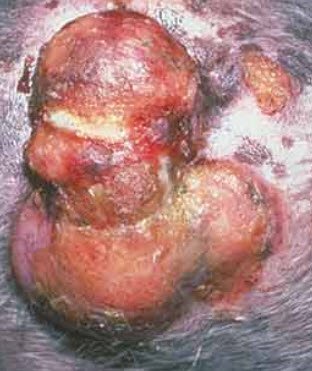
Dog Skin Tumor
Types of Dog Skin Lumps and Bumps
Dog Skin Cancer Tumors (Malignant)
Different forms of canine skin tumors may occur. These are highly
variable
in their appearance, signs, onset and mode of activity. They are either
benign or malignant, depending upon the nature of cell activity. It is
estimated that the number of reported cases for dog tumors has
significantly increased in recent years due to increased exposure to
environmental pre disposing factors, awareness amongst dog owners and
different carcinogens.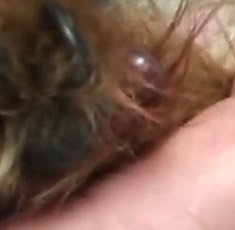
Malignant Dog Skin Tumor on Paw
- Histiocytoma; Histiocytomas are
benign tumors, which appear as bumps on the ear, head and limbs. These
are not painful, but may get ulcerated in latter stages. More than 50%
of the dog population in the United States is susceptible for this type
of dog skin tumor which originates from Langerharns cells.
- Hemangiosarcoma; Hemangiosarcomas
are malignant tumors, in dogs they may appear at the limbs, prepuce
(skin that covers the clitoris) and abdomen. This form may appear at
the skin surface and beneath the skin (Sub Cutaneous). Hemangiosarcomas
are seen firm, raised and dark nodular structures at the skin surface
and as rapidly growing nodules beneath they skin. They may appear as an
injury or a wound, and may bleed excessively.
- Mast Cell Tumors; Mast cells
tumors are usually caused by histaminic secretions (fluid released by
cells) in the dog’s body. Mast cell neoplasia of the internal organs
and lymphatic system may also cause a neoplastic activity on the skin.
The skin surface may appear as inflamed, allergic or appear as if it
was bitten by an insect. Involvement of the lymph nodes on the lateral
sides of the dog’s body helps in diagnosis.
- Melanocytic Tumors; These may be
benign or malignant, and involve the melanin or skin pigment producing
cells, called melanocytes. The skin may appear rough, darkened and look
like it has progressively degenerated (looks less healthy). These may
appear anywhere on the body and may involve other parts of body like
the lymphatic system, respiratory system and frequently the renal
system (kidneys). Pigmented or non pigmented, solitary masses are
revealed on physical palpation (touching) of the skin.
- Squamous Cell Carcinomas; Malignant tumor of skin tissues, suspected for those dogs having erosive lesions on the skin which remain incurable even after months of treatment. The exact cause of these dog skin tumors is unknown, but more cases occur in sunny climates, therefore it is suspected that squamous cell carcinoma is caused by radiation. This type of tumor spreads easily, and can affect the lymph nodes and the muscoskeletal system.
Benign (not cancer) Dog Skin Growths, Lumps and Bumps
Benign skin growths are not a long-term health threat. That doesn't mean that they cannot be quite large, with some growing to the size of a basketball (in the case of a large lipoma). These types of dog skin tumors do not spread to adjacent tissue or other organs. There can be several benign dog skin growths on a dog at the same time and usually do not require any treatment.
Common types include:
- Cysts: dog skin cysts are
pea-sized skin-covered sacs filled with a thick liquid.
- Warts: Warts are caused
by a viral infection and are hard and have a rough-surface.
- Lipomas: A lipoma is a
collection of soft fatty tissue that forms
just under the skin surface. These growths are usually the size of a
quarter. If a lipoma develops in a way that interferes with the way a
dog walks, it might need to be removed. Some owners opt to remove large
lipomas for cosmetic reasons. Lipomas are relatively easy to remove.
- Adenoma: these types of small dog skin tumors develop in the sebaceous glands which are mostly at the base of the hair follicles. These are frequently seen Cocker spaniels and miniature poodles. Cancerous forms of adenoma are called adenocarcinomas, which can form in the dog anus tissues.
Diagnosis:
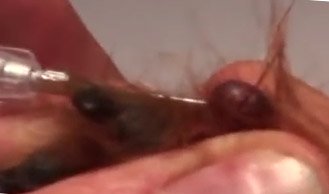
A needle is inserted into the tumor to draw cells for examination under a microscope.
A veterinarian will take a cell sample from the tumor for examination under a microscope. Cancer cells have a larger nucleus and less cytoplasm when compared to normal cells.
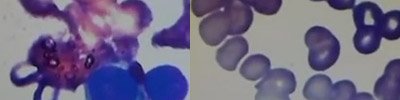
Dog Skin Tumor Cell Comparison (malignant cells on left, healthy cells on right)
Treatment:
Video: Dog Tumor Lump or Bump Examination, Diagnosis and Treatment
Video of veterinarian describing his approach to dog skin tumor diagnosis and treatment.
A general approach for treating a canine skin tumor involves three options:
- Surgical
resection is the preferred approach. In different forms of
dog skin tumors, the extent of the surgery may differ. In mast cell
tumors and squamous cell carcinomas, aggressive and timely surgical
resection is required, while the amount of surgery required for a
Histiocytoma is very low. Tests for blood type, hemoglobin level and
screening are required prior to surgery, along with willingness of the
dog owner.
- Radiation
Therapy is the second most effective way to treat dog skin
cancers. X–rays and gamma rays can effectively be used as a primary
option for treatment. Radiations is mostly used to eliminate deep
malignant tissues, as a secondary option along with a surgical
procedure.
- Chemotherapy is another option. Anti cancer drugs can be used for this purpose, but have many adverse effects.
Nutritional supplements such as C-Caps, supportive therapy and other home remedies can only help in restoring physiological condition and possibly provide some level of support, but can never cure a dog skin tumor.
Have A Question About a Dog Skin Problem For Our Editors or Helpful Story to Share?
Do you have a question for our Veterinarian about a dog skin tumor, lump or bump?
Please include the age of your dog, breed, the area of the body, your dog's general health and any changes in diet, appetite, behavior, skin and coat. Let us know about any treatment that is currently under way including the names of medications or any other information that could help our editors provide an answer.
If possible, please submit a picture of the skin condition below.
We will do our best to get back to you quickly (it depends on how many questions we receive each day). If you do require an immediate response we suggest using this online dog veterinary service that is available now.
Other Reader Questions and Suggestions from Our Vet on Dog Skin Diseases and Conditions
Click below to see contributions from other visitors to this page...
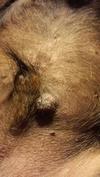
Cyst on Dachshund Stomach 
Reader Question: Treatment for a dog skin cyst or mass.
About 2 - 3 days ago, I noticed this uneven growth near his little pipi (neutered). It is …
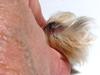
Dark Growth on Dog's Rear Right Paw
Can you tell me what this growth is on my dog's foot? He has been licking it.
My dog is 9 years old, a Chorkie, a bit overweight and is on a diet …
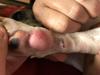
Treating a Dog Mast Cell Tumor Not rated yet
Reader Question - Dog Mast Cell Treatment : We have a 10-year-old Jack Russell Terrier that started limping. We thought it was needing …
Treating a Dog Skin Growth Not rated yet
Reader Question:
I have a 9 y/o Rhodesian Ridgeback, with a solid, round, black, dime sized, mobile (not fixed to anything deep), raised growth on …
