Viruses: Symptoms of Parvo in Puppies
Virus Quicklinks
Cause of Parvo in Puppies:
Parvo in puppies only affects the dog and not humans. Be aware that humans can carry the parvo virus to dogs in the form of feces from infected dogs. It may invade your home and infect your dog as a result of being brought in on your shoes, hands and yes, even the tires of your car.
Currently, these appear to be the “only” method of transmission for this virus. Those infected have a 50/50 chance of surviving. If they do make it through the first four days, they tend to rebound quickly, assuming they quickly receive medical treatment.
Parvo in puppies and other dogs has been found just about anywhere, from obedience trials to pet shops, from playgrounds to dog shows and from animal shelters to boarding kennels. It knows no boundaries and may strike anywhere, anytime without any warning. This virus affects all dogs, but Dobermans and Rottweilers appear to be more susceptible and have a lower survival rate, if infected.
Unfortunately, this virus can live outside in feces contaminated ground for up to five months, or longer, if the right conditions prevail. Chlorine bleach is an effective killer of parvovirus, but you must be thorough, consistent and persistent. Use one part bleach to 30 parts water to disinfect the home and any areas where the dog could be exposed. Lawn watering can help to dilute the virus, potentially reducing, but not eliminating any threat from the virus.
NOTE:
The virus is extremely hardy and can handle wide temperature
fluctuations and most cleaning agents. If your dog does not have much
contact with other dogs and does not go outside your yard, this does
reduce the chances your dog will contract canine parvovirus, but it
does “not” eliminate it. Additionally, since humans can transmit this
illness, it’s easy to contaminate shoes, cages, hands, clothing,
grooming tools, equipment etc. It may also be spread via the feet of
infected dogs and their hair.
Puppy with Parvo Video
Signs and Symptoms of Parvo in Puppies:
Parvo makes a direct beeline for the lining of the digestive system, which means a puppy can’t absorb nutrients or liquids. This is the reason puppies are more prone to parvo, because they do not have fully mature immune systems.
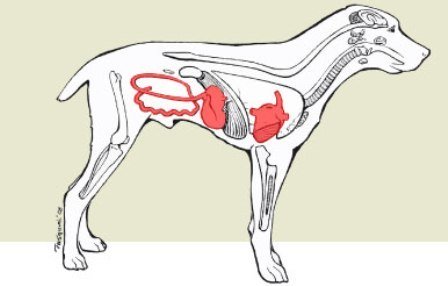
Symptoms of Parvo in Puppies include digestive and cardiac problems. Specifically, lethargy, appetite loss, vomiting, diarrhea
and sudden high fever.
Source: Cornell University College of Veterinary Medicine
There are two forms of this killer virus: cardiac syndrome and diarrhea syndrome. Symptoms of parvo in puppies will appear 3 to 7 days after exposure to the parvovirus.
Myocarditis or cardiac syndrome, typically affects puppies less than three months old. They don’t have diarrhea, because the canine parvovirus replicates so fast in the muscle cells of the pup’s heart. Those affected usually stop taking milk from their mother, collapse and die within mere minutes or days. There is no treatment for this syndrome and if a puppy does recover, they may have a permanently damaged heart.
Enteritis or diarrhea syndrome, takes about five to fourteen days to appear after a puppy or dog has been exposed to it. You will notice they act like they are in severe pain and are highly uncomfortable and restless. You may also see signs of depression, depressed appetite or no appetite, high fever, vomiting and severe diarrhea. The diarrhea may be fluid and bloody or gray tinged or yellow in color and smell foul. Blood in dog diarrhea doesn't always signal parvo in dogs.
NOTE: symptoms of parvo in puppies include rapid dehydration, which is a critical issue in dogs with parvovirus. They may vomit and have diarrhea non-stop and die within three days, if they are not given supportive care. Some may recover and not experience problems for the duration. DO NOT WAIT to see your vet if your dog is showing any of these signs. Their life depends on fast medical care.
Diagnosis of Parvo in Puppies:
The difficulty with identifying parvo in puppies is that the vomiting and diarrhea are often signs of “other” illnesses. However, the rapid spread of illness from one dog to another, is quite often a signal that parvo is present. Usually, the vet will note the symptoms and also do a fecal smear in their office or at a lab. The most definitive method to diagnose parvo in puppies is the fecal smear using a test called ELISA (enzyme-linked immunosorbent assay).
It is a 15 minute test, although results are sometimes incorrect as both a positive and negative indication of the presence of puppy parvo. If the veterinarian suspects a false read, then a white blood cell test can be used to confirm the diagnosis.
Treatment of Parvo in Puppies:
There are no specific puppy parvo treatments available, so the focus is on support and in reducing the impact of symptoms of parvo in puppies.
The treatment of parvo in puppies is immediate hospitalization, unless they have a mild case. The puppy must be kept warm and hooked to IV fluids to replace electrolytes lost due to vomiting and diarrhea. The vomiting and diarrhea must be brought under control with appropriate drugs. Some dogs may require blood transfusions.
Antibiotics are typically used to deal with any opportunistic secondary infections. Unfortunately, there is no drug available that will kill the canine parvovirus. In other words, there is no cure and dogs that have parvo once, may get it again.
NOTE: vaccinating a puppy for parvo is difficult because of the antibodies they get from mom when they’re born. These antibodies may interfere with the vaccination. This is why many vets vaccinate every 3 to 4 weeks, starting from the age of 6 weeks, until they are 16 weeks old and possibly 20 weeks. There is no science that confirms they may have lifelong immunity once they get their shots, which is why vets suggest a yearly booster.
Natural Treatment for the Symptoms of Parvo in Puppies:
There are a number of natural remedies that you may wish to consider for your dog which can help to reduce the impact of the symptoms of parvo in puppies. These may be used in combination with the traditional medications and treatments that are required to deal with parvo in puppies. One product, Parvo-K, is formulated with natural herbs such as Arsenicum and Veratrum to soothe the stomach and limit vomiting.
Make sure your vet knows that you are using any natural forms of assistance for addressing the symptoms of parvo in puppies.
For more information download this parvo in puppies brochure.
|
|
