Dog Allergies: Human Allergy to Dogs
Overview:
Almost all dog owners are exposed to health threats,
like there are various zoonotic diseases, (diseases transmitted from
animals to humans) many of which are very contagious and life
threatening. Human allergy is the most common form of any condition
a dog owner may be exposed to. Chances of other zoonotic diseases and
conditions can be reduced by vaccinating dogs, proper management and
isolation etc. but allergy is one condition; which cannot be
fully eliminated by any means; which makes it the most common and
recurring problem for dog owners.
Dog’s saliva is one example. A dog always spreads saliva when
it barks. Any breed and any dog will
disburse saliva particles whenever it barks. The saliva of a dog
contains mainly water, some minerals and some digestive enzymes. The
enzymes when they are mixed with air become potential allergens for
some hypersensitive humans. Similarly, the dogs with a habit of licking
their owner can transmit these enzymes directly to the skin of the
owner, which causes irritation and an allergic reaction in the
follicles of humans.
Another product a dog may shed is dander. Dander is similar to dandruff, containing dead skin tissues, hairs and some dust particles. Dogs may shed hair and dander anywhere they sit, play or live. Any breed of dog can shed dander, but it is less common in short haired, hairless and regularly groomed dogs. A particle in dead skin tissue contains some specific forms of proteins; which act as histamine, though it is not truly histamine. This may end up giving an owner some respiratory problems, like sneezing and runny nose. Please note most asthma patients are more sensitive to a dog’s dander.
Children and Dog Allergy
The studies are still not clear when it comes to children and pets. Several recent studies refute the idea that children exposed to animals when young will become allergic later in life. Several studies (AMA 2001, 10/2003 Journal of Allergy and Clinical Immunology) found that exposure to dogs and cats at 1 year of age reduced the risk of developing a pet allergy later in life. These same children also had a lower risk to other types of allergens including ragweed, bluegrass and dust mites.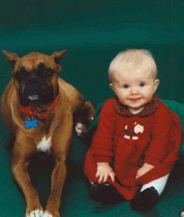
Human Allergy to Dogs
Children dog allergy is based on genetics and actors such as the allergy and asthma history of the parents. Some studies suggest that early exposure to pets can not only reduce dog allergis in children, but other allergies as well.
Source: JAVMA
These findings are still considered preliminary since the way allergies are developed are based on many factors including genetics. According to the JAVMA, pediatricians now recommend bringing a dog into the house prior to a child being born if they plan on having pets. However, if the parents have asthma or other allergies, this is not recommended as having a pet in the home can increase the severity of asthma. Be sure to consult your pediatrician.
To learn more and children allergy to dogs we suggest reading this JAVMA News Article.
Signs of Human Allergy to Dogs:
Some owners suspect that dogs are the only reason for the allergies they are suffering from. Not all allergies are caused by dogs only. Other environmental factors such as pollens, dust, food components can cause allergies in humans.
There are some signs like sneezing, coughing, skin rashes, itchy skin etc.; which may be due to dogs. Isolation from dogs can prove if the allergies are due to the pet.
How to Manage:
It should be noted that there is not any dog in existence; which can be considered truly allergy free. However, there are breeds, management techniques and training tools; which can help in reducing the chances of human allergies to dogs.
Allergy Dog Breed Selection: How to Choose
There are hypoallergenic breeds. There is no breed of dog that does not shed dander or that will not spread saliva while barking or breathing.
In this regard, a short haired or hairless breed should be a preference. Similarly, a dog breed which does not frequently bark, is preferred.
A heavy breed should not be selected for sensitive humans, as heavy breeds shed more dander and are harder to groom than lightweight breeds.
“The American Kennel Club” (AKC), has recommended an allergy dog breed selection. These include: Bedlington Terriers, Bichon Frise, Chinese Crested, Irish Water Spaniel, Kerry Blue Terrier, Maltese, Portuguese Water Dog, Poodles (Toy), Soft Coated Wheaten Terriers
All these breeds are small in size, short or have less hair, have low barking capacity and have a low capacity to spread allergens habitually.
Training a Dog to Reduce Human Allergies of Dogs:
A dog must be trained to not lick and limit the level of barking inside the home. This includes limiting it to its kennel or living area only i.e. should not be allowed on furniture, climb on beds or to sit in the owner’s lap etc.
Baths and Grooming:
Regular grooming and baths will reduce the chance of shedding dander. Grooming will help help keep shedding dander and dead skin tissues all in one place.
Dogs can act as carriers of environmental allergens like pollen and dust, so a regular bath can help to reduce these levels, especially long hair breeds.
Cleaning a Dog's Environment:
Furniture, pillows, beds, curtains, floors, dog bedding, corners and especially mattresses and Carpeted floors should be cleaned regularly. “Micro Filters” must be used in the vacuum cleaner to ensure maximum eradication of allergens. A good choice is the Kenmore Intuition 31100 which is Consumer Reports Best Buy. It is also rated excellent for pet hair. In addition, use of “Air Fresheners” and “Air Cleaner” sprays are very effective in this regard.
|
|
