Dog Warts

" Dog warts refer to two different forms of the condition. Either one occurs genetically or is caused by a type of virus. These are singular dog skin lumps or dog skin bumps, which in most cases do not cause any damage to the dog. They may appear to be either infectious or the warts can be fatal if they are cancerous. Canine warts appear as singular papules and may appear on any part of the body, especially in skin areas where there is a lower volume of hair growth. Viral papilloma may exist in three different forms, i.e. mucous membrane papillomatosis, cutaneous papillomas and cutaneous inverted papillomas. Congenital dog warts on the other hand have only form, which may appear on any part of the body. Usually these are not harmful, but if these grow over time and cause any problem, a veterinarian must be consulted for a proper diagnosis through examination and biopsy. Treatment is usually not done. If necessary, cryosurgery (freezing) or electrosurgery is the treatment of choice for curing the condition. Additionally, natural tonics can help to prevent unnecessary warts in dogs, by keeping the skin healthy. "


Causes of Dog Warts:

There are two different possible causes of canine warts. Genetically, some dogs may have warts on the body when they are born or they may develop on any part of body when they are older. These are usually not harmful or do not cause any discomfort to the affected dog. They do not grow and are comprised of dark pigment gathered at certain points on the outer surface of the body. These resemble common human warts.
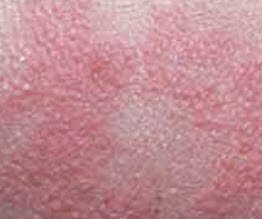
dog warts picture
Picture of Skin Papules on Dog
A Papule is Any 
 solid Elevation of up to 1 cm in Diameter

Other types of dog warts are called “papillomas”. These are caused by viruses of the Papovaviridae family. In dogs, this viral type of wart has three different forms:

  • Mucous Membrane Papillomatosis: This is the most common form of viral canine warts; these are more frequent in young dogs. This form of canine wart mostly appears over the mucous membrane in the oral cavity, tongue, esophagus, gums, outer eyelids and the inner layers of the conjunctiva (membrane lining the eyelids). In an infected dog, the warts grow in number and usually resolve in days or weeks. Sometimes, due to chewing and swallowing, the warts may get injured, thus secondary infections may occur in the oral cavity or esophagus.
  • Cutaneous Papillomas: This form resembles congenital warts, but occur more frequently in older dogs that have rough and weakened coats. Up until now, a definite relationship of this form of wart to viral infection has not been established. Keratin, which is a cutaneous protein, has been identified as being the content of these types of warts in dogs, which resembles congenital canine warts.
  • Cutaneous Inverted Papillomas: This form of dog wart may occur in young as well as older dogs. They appear under the cutaneous layer (skin), over the epithelial tissues, thus are termed as epitheliomas. These mostly occur on the ventral abdomen (on the belly), with characteristics of a raised papu-nodular appearance and keratotic center.

Not always, but in a few cases, congenital as well as viral warts may develop into cancer, which is usually fatal in nature.

Symptoms Associated with Dog Warts:

Canine warts and papillomas are singular papule (small, circumscribed, solid, elevated lesion of the skin) like growths, which occur in isolated parts of the body. There can be one wart or there can be many. Normally, they do not cause any harm to an affected dog, but if in cases where oral or cutaneous dog warts are injured, they are hard to heal and secondary infections are common. Symptoms such as generalized illness along with local tissue damage are common.

In case the canine warts develop into cancer, they can cause severe damage to the health of the affected dog. Weakness and death may occur months after the maturation of cancerous tissues.

Diagnosis of Dog Warts:

Though warts in dogs do not cause any damage to the body, especially those which appear over the skin and appear firm, it is better to consult a veterinarian to eliminate any chance of complications and cancer.

Oral and eye warts should be carefully diagnosed and treated. Also a biopsy should be performed (skin sample for lab testing), as research shows oral warts, eventually appear as squamous cell carcimomas in their advanced stages. A biopsy of those warts should also be done which have grown larger and which cause any stress, discomfort or pressure over the dog and its body organs.  Canine warts with a cauliflower appearance and irrational growths should be considered for a biopsy.

Treatment of Warts in Dogs:

Common warts, including viral papillomas are usually not treated. Congenital dog warts may remain on the surface of the skin and do not cause any damage to the dog, on the other hand viral papillomas resolve on their own in days or weeks.

If necessary, in cases where the warts cause discomfort to the dog, cryosurgery (freezing) or electrosurgery are the preferred removal method. Cancerous dog warts are usually treated with radiation therapy and some additional drugs.

Natural tonics such as Skin and Coat Tonic , if used regularly, can help to prevent the chance of the dog forming viral papillomas and will help to maintain skin strength, thus common warts will be restricted since these types of products help to boost and maintain the immune status of the body.

Share Your Story:

Have a story to tell about this topic that will help others or want to ask a dog health question? One question each week will be answered by our editors. Share it here.


References:

Merck Veterinary Manual (Merck & Co. 2008)


Dog Health Search


Home
Ask a Veterinarian
Adrenal Glands
Allergies
Anal Glands
Anorexia
Barking
Bladder
Bloat
Blood
Bowel
Bowel Obstruction
Cancer
Colitis
Constipation
Cough
Cushing's Disease
Dehydration
Diabetes
Diarrhea
Distemper
Ear
Eyes
Fleas
Flu
Giardia
Hip
IBD (Bowel Disease)
Incontinence
Ketoacidosis
Knee
Knee (Stifle)
Lice
Liver
Low Energy
Lyme Disease
Mange
Older Dog Health
Pancreatitis
Panting
Parvovirus
Ringworm
Skin
Sprain
Stomach
Thyroid
Urinary Problems
Urinary Tract Infection
Vaccine Schedule
Valley Fever
Worms
Resources
Read Our Blog
Privacy Policy
About/Disclosure
Insurance
Breed Information
Heart Disease
Seizures
Spaying
Vacuum Pet Hair
Subscribe To This Site
XML RSS
Add to Google
Add to My Yahoo!
Add to My MSN
Subscribe with Bloglines