Aspirin for Dog Arthritis
" Aspirin for dog arthritis is both common and controversial. Aspirin is effective in reducing swelling and minor arthritis pain in dogs, but prolonged or over-use can lead to stomach issues such as ulcers. If aspirin is used for treating canine arthritis, it should be done under the supervision on a vet and the smallest dosage for pain relief should be used "
Cause of Arthritis in Dogs:
Dog arthritis can be caused by various things. Injuries to the legs can cause arthritis in the affected joints. A hereditary condition called canine hip dysplasia is also a form of arthritis that affects the hip joint of a dog. And, like in humans, old age can herald the early stages of arthritis.
Treating Dog Arthritis With Aspirin:
Using aspirin to treat arthritis in dogs can be a safe and
effective
approach, provided the treatment is handled cautiously. Aspirin is a
powerful drug, so its use must be monitored carefully. Aspirin is used
for treating dog arthritis because it is an anti-inflammatory. The drug
will reduce the swelling and inflammation in the dog’s joints, which
offers pain relief. However, it is important to remember that the
relief is only temporary and aspirin should only be used to treat mild
cases of arthritis.
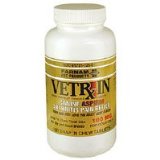
Risks Of Using Dog Arthritis Aspirin
Aspirin is not safe for young animals. Also, aspirin for dog arthritis can irritate a dog’s stomach, much like it can in humans. It can irritate the stomach lining and cause ulcers. It is important that you monitor your dog’s reaction to the aspirin and if bloody vomiting begins to occur, cease the use of the aspirin and seek the advice of a vet as soon as possible.
Administering Dog Aspirin:
Dog arthritis Aspirin should be administered no more often than every 12 hours and should always be administered with food. It is also important to stay within the safe dosage limits for your dog, and only give the smallest dose that offers the most relief.
A rule of thumb is to start with 5mg per pound of the dog’s body weight and slowly increase the dosage not to exceed 10mg per pound. If, at the maximum dosage, your dog is still showing signs of pain, other alternative treatments might need to be explored.
Dog Aspirin Alternatives to Treat Canine Arthritis:
There are other treatment options you can try, if you do not want to use aspirin. It is important to note that mixing aspirin with other treatments may cause an adverse reaction, so take care to make sure the treatments do not conflict. You should consult your vet before attempting to combine treatment regimens:
- Glucosamine: a supplement that lessens swelling and inflammation of the joints.
- SAMe: an antioxidant that decreases pain in humans and dogs.
- MSM – methylsulfonylmethane: is a dietary supplement that has shown promise for improving symptoms and function for knee and joint pain in dogs and horses.
- Canine Exercise: a moderate amount of exercise can loosen the joints and offer some pain relief.
- Weight maintenance: making sure your dog stay within his ideal weight and does not become overweight will lessen the strain on the joints.
Have an Arthritis Related Question or Helpful Story?
Have a Question, Request or Want to Share a Story that could help others? Our editors and pet health professionals will answer 1 question per week for free!
We will do our best to get back to you quickly (it depends on how many questions we receive each day). If you do require an immediate response we suggest using this online dog veterinary service that is available now.
|
|


This site accepts advertising and other forms of compensation for products mentioned.
Such compensation does not influence the information or recommendations made.
We always give our honest opinions, findings, beliefs, or experiences.
All rights reserved. © 2018 Dog Health Handbook.